

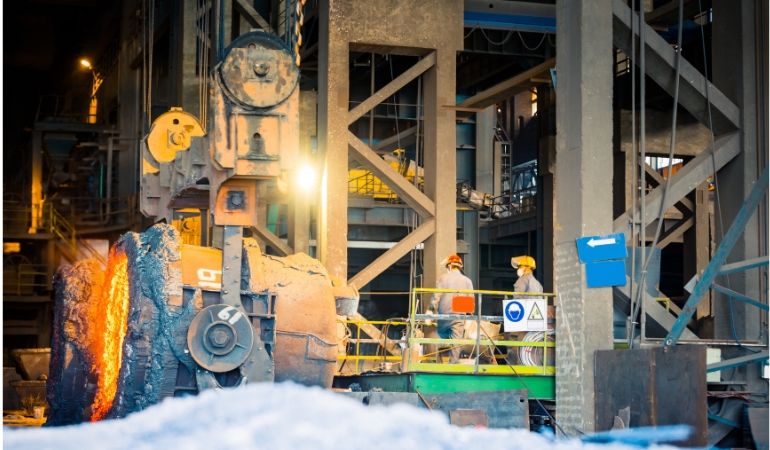
Blast Engineering Services focus on designing structures that can withstand accidental or intentional explosions without catastrophic failure. Our team performs detailed blast load calculations, dynamic structural analysis, and progressive collapse assessments to ensure buildings and critical infrastructure remain safe under extreme conditions. We evaluate potential risk scenarios, simulate blast effects, and recommend structural reinforcements such as shear walls, steel jacketing, energy-absorbing systems, and specialized glazing solutions.
We work closely with architects, structural consultants, and project stakeholders to integrate blast-resistant features without compromising functionality or aesthetics. Every design follows relevant safety standards and performance-based engineering principles.
Key Services:
Forensic Engineering Services involve the scientific investigation of structural failures, material defects, and construction-related disputes. Our experts conduct on-site inspections, laboratory testing coordination, document review, and root cause analysis to determine why a failure occurred. We provide clear, technically sound reports that can be used for insurance claims, arbitration, or litigation.
Our approach combines engineering expertise with evidence-based evaluation methods. We assess structural distress such as cracks, settlement, corrosion, fire damage, and waterproofing failures. Each case is handled with confidentiality and precision to deliver unbiased conclusions.

Key Services:
Building Information Modelling (BIM) Services enable intelligent digital planning and coordination of construction projects. We develop detailed 3D models that integrate structural, architectural, and MEP components to improve visualization and decision-making. Our BIM process minimizes clashes, reduces errors, and enhances collaboration between stakeholders.
Through data-driven modeling, we assist clients in achieving cost control, schedule optimization, and improved construction efficiency. From concept design to as-built documentation, our BIM solutions streamline project workflows and enhance transparency.

Key Services:
Re-Engineering Services focus on optimizing existing designs and systems to improve performance, reduce costs, and extend structural life. We analyze current structural configurations, identify inefficiencies, and propose value-engineered alternatives without compromising safety.
Our team supports retrofit projects, structural modifications, adaptive reuse developments, and load enhancement requirements. By combining technical evaluation with innovative design strategies, we deliver solutions that align with both functional and financial objectives.

Key Services:
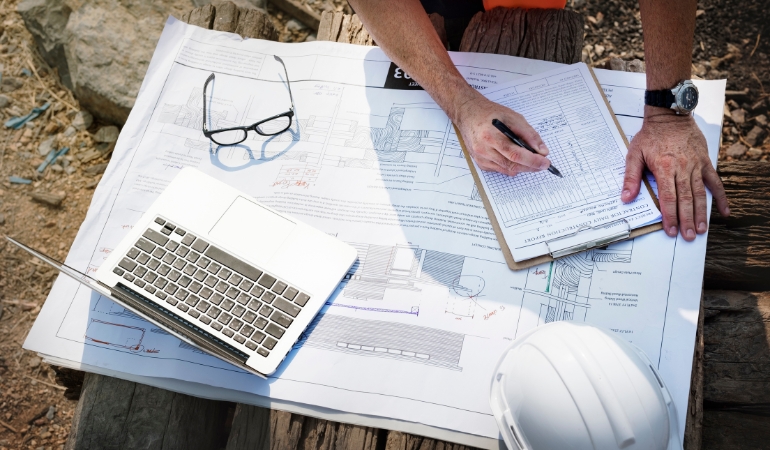
Temporary Works Design ensures safety and stability during construction phases. We design scaffolding systems, formwork, shoring, bracing, and excavation support structures to maintain structural integrity until permanent works are completed.
Our engineers conduct stability checks, load analysis, and risk assessments for construction-stage conditions. Properly designed temporary works reduce site hazards, prevent collapse risks, and maintain compliance with safety regulations.
Key Services:
Chartered Engineering Services provide certified technical evaluations and official engineering documentation. Our licensed engineers issue structural stability certificates, valuation reports, condition assessments, and compliance certifications required by authorities and financial institutions.
We ensure that all certifications are accurate, transparent, and aligned with applicable codes and statutory requirements. Our reports support property transactions, regulatory approvals, and technical due diligence processes.

Key Services:
Court Commissioning Services involve independent technical inspections and expert evaluations appointed by legal authorities. We conduct site investigations, review documentation, and prepare unbiased technical findings to assist courts and tribunals in dispute resolution.
Our role is to present factual engineering analysis in clear, defensible formats suitable for legal proceedings. We maintain neutrality and professional integrity in every assignment.

Key Services:
Waterproofing Methodology and Design Review Services focus on preventing leakage, dampness, and long-term structural deterioration. We review waterproofing systems for basements, terraces, podium slabs, retaining walls, and wet areas to ensure correct detailing and material selection.
Our experts analyze failure patterns, recommend corrective measures, and validate application methods to enhance durability and performance. A well-designed waterproofing system protects both structural integrity and occupant comfort.

Key Services:
Civil and construction management services form the backbone of successful project execution. These services involve end-to-end coordination of planning, scheduling, budgeting, resource allocation, and on-site supervision to ensure that construction projects are delivered on time and within budget. A professional construction management team acts as the bridge between clients, architects, engineers, contractors, and suppliers, ensuring that every stage of the project aligns with defined objectives and regulatory standards.
Effective civil management begins with detailed project planning, including feasibility analysis, cost estimation, risk assessment, and timeline development. During execution, managers monitor daily site activities, coordinate subcontractors, manage material procurement, and resolve technical challenges. Strong communication, documentation control, and progress reporting are critical to maintaining transparency and preventing delays.

Key Components Include:
Construction administration services ensure that the construction process adheres strictly to design intent, contractual terms, and quality standards. This phase focuses on overseeing project execution from a compliance and documentation perspective, minimizing disputes and ensuring smooth coordination between stakeholders.
Professionals involved in construction administration review shop drawings, material submittals, and technical documentation to confirm alignment with approved designs. They facilitate communication between architects, engineers, and contractors, addressing site queries and issuing clarifications. Regular site visits are conducted to verify that construction activities meet design specifications and safety regulations.
This service plays a crucial role in managing change orders, reviewing contractor payment applications, and maintaining project documentation records. By maintaining strong administrative oversight, risks related to misinterpretation, non-compliance, and cost overruns are significantly reduced.

Core services include:
Quantity surveying and tender documentation services focus on financial control and cost optimization throughout the project lifecycle. Quantity surveyors are responsible for detailed measurement of works, cost estimation, preparation of bills of quantities (BOQ), and tender documentation that ensures competitive and transparent bidding.
Accurate cost planning begins at the conceptual stage and continues through detailed design and construction phases. Quantity surveyors analyze drawings and specifications to quantify materials, labor, and equipment requirements. They prepare tender documents that clearly define project scope, technical requirements, contractual conditions, and pricing structures.
During construction, they monitor cost variations, evaluate contractor claims, and prepare interim payment certificates. Their expertise helps maintain financial discipline while ensuring quality standards are not compromised.

Major services include:
Quality Assurance and Quality Control (QA/QC) services are essential to ensure that construction activities meet defined standards, specifications, and regulatory requirements. QA focuses on establishing systematic processes to prevent defects, while QC involves inspection and testing to identify and correct deviations during execution.
A structured QA/QC framework includes preparation of quality management plans, inspection test plans (ITPs), method statements, and compliance checklists. Continuous monitoring of materials, workmanship, and structural components ensures durability, safety, and long-term performance of the built asset.
QA/QC teams conduct regular audits, material testing, and site inspections. Non-conformance reports (NCRs) are issued when deviations occur, followed by corrective and preventive actions. Maintaining quality standards not only enhances project performance but also reduces rework, delays, and cost overruns.

Key QA/QC services include:
Site inspection and audit services provide independent oversight to ensure construction activities comply with approved designs, safety standards, and contractual obligations. Regular inspections help identify potential risks, construction errors, and safety concerns before they escalate into major issues.
Professional inspectors evaluate structural components, finishing works, mechanical and electrical installations, and safety practices. Detailed audit reports are prepared with photographic documentation, highlighting deviations and recommending corrective actions. These services are especially valuable for clients seeking third-party validation of project quality and compliance.
In addition to technical inspections, safety audits assess adherence to occupational health and safety standards. Environmental compliance, material storage practices, and labor welfare conditions may also be reviewed. Proactive site audits enhance accountability, transparency, and overall project performance.

Main services include:
- Blast Engineering Services
- Forensic Engineering Services
- Building Information Modelling (BIM) Services
- Re-Engineering Services
- Temporary Works Design
- Chartered Engineering Services
- Court Commissioning Services
- Waterproofing Methodology & Design Review Services
- Civil and Construction Management Services
- Construction Administration Services
- Quantity Surveying and Tender Documentation
- Quality Assurance and Quality Control (QA/QC)
- Site Inspection and Audit Services